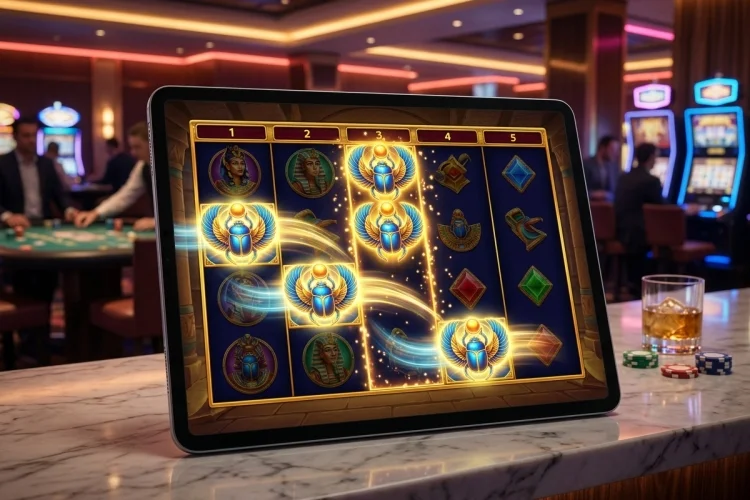




How to Review an Online Slot Fairly: A Practical Method

A flashy bonus round or a lucky first session can make almost any online slot look impressive. A losing streak can create the opposite reaction, even when the game itself has not changed.

To Review an Online Slot Fairly, you need to look beyond your temporary balance. A useful review examines the rules, mathematical information, gameplay features, technical performance, and clarity of the interface.

It also separates personal taste from measurable facts. This approach helps readers understand what the game actually offers instead of giving them promotional language, unsupported complaints, or conclusions based on one unusually lucky session.

Identify the Exact Game Version

Begin by recording the game title, developer, platform, device, and testing date. Mention whether you played in demo mode or used a real-money account.

You should also note the displayed RTP, stake range, volatility level, and maximum win when available. The same title may be offered with different settings across operators or jurisdictions, so avoid assuming every version is identical.

Read the Rules Before Playing

Open the paytable and help section before pressing spin. Check how winning combinations form, what wild and scatter symbols do, how bonuses activate, and whether special limits apply.

British technical standards require game rules and information about the likelihood of winning to be easily available before a player commits to gamble. This information may include RTP, house edge, or winning probabilities.

If important details are confusing or difficult to locate, mention that as a transparency issue.

Interpret RTP and Volatility Correctly

RTP is a long-term percentage, not a promise for one player. Actual RTP is calculated by dividing total winnings by total turnover across the measured play.

Do not describe a slot as unfair because your balance fell during 100 test spins. That sample can show how features and animations behave, but it cannot prove the game’s long-term return.

Volatility should also be treated carefully. Use the developer’s published category when available rather than guessing from a brief session.

Evaluate the Features in Context

A game with many listed mechanics is not automatically better than a simple slot. Ask whether each feature is understandable and whether it changes the gameplay in a meaningful way.

For example, cascading reels may create consecutive combinations, while a multiplier meter can increase selected awards. Explain what these systems actually do instead of repeating phrases such as “action-packed gameplay” from promotional material.

Also consider how often the base game provides interesting decisions or visual changes between bonus rounds.

Test Usability and Performance

Review loading speed, button size, text readability, sound controls, paytable navigation, and screen orientation. When claiming that a slot works well across devices, test it on both mobile and desktop.

Describe technical problems precisely. “The game froze twice on Safari during a 30-minute test” is more useful than saying that it is simply buggy.

Include the device and browser used so readers understand that your experience may not apply to every setup.

Separate Fairness from Personal Luck

A reviewer cannot prove RNG fairness through a few hundred spins. Regulated random outcomes should be demonstrably random, and adaptive behaviour that changes probabilities according to recent results is prohibited under British standards.

Independent laboratories use statistical and technical methods to test RNG unpredictability and possible bias.

Your role is to check visible licensing, testing information, and game disclosures. Do not claim scientific certification based on personal results.

Consider Responsible Product Design

Examine how clearly the game displays stakes, awards, session information, and net results. Sound and animation should not make a return smaller than the stake feel like a profitable win.

Current British standards prohibit celebrating a return that is equal to or lower than the total amount wagered.

A balanced review should discuss pace and result clarity alongside themes, graphics, and bonus potential.

To Review an Online Slot Fairly, identify the exact version, study its rules, interpret RTP correctly, and examine features in context. Test usability on every device you discuss and support technical criticism with specific observations.

Most importantly, separate game quality from short-term wins or losses. A reviewer can assess transparency, design, performance, and entertainment value, but cannot certify RNG fairness through casual play.

Create a repeatable checklist, disclose your testing conditions, and explain how you reached each conclusion. Apply that process to your next review so readers receive useful evidence instead of hype, frustration, or personal superstition.

Slot Apps vs Mobile Browser Casinos: Which One Fits You Best?

Mobile casino games can be accessed in two main ways. You can install a dedicated application or open the operator’s website through Safari, Chrome, or another mobile browser.

At first, the choice may not seem important because both formats can display the same reels, bonus rounds, account balance, and payment options.

However, the Slot Apps vs Mobile Browser Casinos comparison becomes more interesting when you consider phone storage, updates, performance, privacy, and convenience.

One format may be perfect for frequent users, while the other is often better for occasional demo play. This guide explains the practical differences so you can choose the option that suits your device and playing habits.

How Dedicated Slot Apps Work

A slot app is installed directly on a smartphone or tablet. It usually includes a custom game lobby, login area, account settings, promotions, payment tools, and links to responsible-gambling features.

Because the application has a permanent icon, it can be opened without first visiting a website. Some apps also remember preferences and provide notifications about account activity.

Real-money gambling apps must meet marketplace requirements. Apple requires appropriate licences and geographic restrictions, while approved Google Play gambling apps must block underage users and access from unauthorized areas.

How Mobile Browser Casinos Work

A browser casino does not require a traditional app installation. You visit the official website, sign in, select a slot, and play inside the browser.

Responsive web design helps casino pages adapt their menus, game frames, and controls to different screen sizes. This makes a single website usable on phones, tablets, laptops, and desktop computers.

Some browser services may also function as progressive web apps. A PWA is built using web technology but can provide an experience that resembles a platform-specific application.

Which Option Is More Convenient?

An app is convenient for someone who regularly uses the same licensed operator. The icon is easy to find, and login, account management, and game browsing may feel more integrated.

A browser is often more convenient for occasional users. You can visit a website, test a free demo, and close the tab without adding another application to your phone.

Browser access also makes it easier to compare several platforms. Instead of installing multiple apps, you can open different verified websites in separate tabs.

Speed and Performance Can Vary

A well-designed application may launch quickly because parts of its interface are already stored on the device. It can also be optimized for a particular operating system.

However, modern browser casinos can perform just as smoothly when the website, game, phone, and connection are properly optimized. PWAs can use web-platform features to create app-like experiences without being conventional native applications.

The age of your phone may matter more than the format. A simple browser slot can run smoothly on an older device, while a graphics-heavy app may struggle with limited memory.

Apps Use More Permanent Storage

Installing an application requires storage space. The original download may also grow as updates, temporary data, and cached game assets accumulate.

Browser casinos primarily use temporary browser storage. They still save cookies, cached images, and site data, but users do not need to maintain a separate full application.

Someone with limited phone storage may therefore prefer browser play. Clearing browser data can free space, although it may sign you out and remove saved preferences.

Security Depends on the Source

Apps should come from an official marketplace listing connected to the verified operator. Avoid installation files delivered through pop-up advertisements, private messages, or unfamiliar download websites.

Browser users should check the domain carefully. A padlock and HTTPS connection are useful, but they do not prove that an operator is licensed or trustworthy.

Real-money users may also need to complete identity and age verification. For example, British-licensed online gambling companies must verify customers before allowing them to gamble.

Which Format Offers More Games?

Many operators use the same underlying game catalogue for their apps and mobile websites. In that situation, the selection may be almost identical.

Occasionally, a title works only through the browser or is unavailable on a particular operating system. App-store rules and regional licensing can also influence which applications and games appear in a country.

Trying the browser lobby first is a practical way to check the catalogue before installing anything.

There is no universal winner in Slot Apps vs Mobile Browser Casinos. Apps provide quick access, an integrated interface, and saved preferences, making them convenient for regular users.

Browser casinos require less permanent storage and make it easier to explore demos or compare platforms. Test both formats before deciding. Check loading speed, readability, available games, permissions, and account tools rather than choosing only by appearance.

Use services that are legal and regulated in your location, avoid unofficial downloads, and set clear time and spending limits. The better option is ultimately the one that gives you comfort, security, and control.

How to Play Online Slots on a Mobile Phone: Beginner’s Guide

Playing slot games no longer requires sitting in front of a desktop computer. Most modern games are designed to resize automatically, making them easy to open on smartphones with only a few taps.

Before you Play Online Slots on a Mobile Phone, however, it helps to understand your options. You can normally use a mobile browser, install an approved app, or explore a free demo without depositing money.

The basic controls are simple, but choosing a legitimate platform, checking the game rules, and setting limits are just as important as pressing the spin button.

This beginner-friendly guide walks through the process from opening a game to ending a session responsibly.

Check Whether Mobile Slots Are Legal Where You Live

Online gambling laws vary widely between countries and regions. A website being accessible on your phone does not automatically mean it is licensed to serve players in your location.

Real-money gaming apps on Apple devices must have the necessary licences and permissions and must restrict access to approved locations. Google Play applies similar location, licensing, and age requirements to permitted gambling apps.

Check your local regulations before registering or depositing money.

Choose Between a Browser and an App

The quickest option is usually a mobile browser. Open the operator’s official website in Chrome, Safari, Firefox, or another updated browser, sign in, and select a mobile-compatible game.

Modern web games can run through standard browser technologies without old plug-ins or separate desktop software. Responsive design allows webpages to adapt their layout to different screen sizes.

An app can provide quicker access, saved preferences, and smoother navigation. Only download one through an official app store or a verified operator website.

Create and Verify Your Account

Free demos may open without registration, but real-money play normally requires an account. You may need to provide your name, date of birth, contact information, and residential details.

Regulated gambling operators in Great Britain, for example, must verify a customer’s age and identity before allowing that person to gamble. Verification helps prevent underage access, identity misuse, and breaches of self-exclusion arrangements.

Use accurate information and upload documents only through the platform’s secure account area.

Find a Mobile-Friendly Slot

Open the game lobby and use filters such as slots, mobile games, new releases, or free play. A responsive slot should fit the screen without forcing you to zoom repeatedly.

Most games display a spin button, stake selector, balance, paytable, and settings menu. Rotating the phone into landscape mode can make wide reel layouts easier to see.

Start with demo mode when available. It lets you explore the buttons and bonus mechanics using virtual credits that cannot be withdrawn.

Read the Paytable and Set the Stake

The paytable explains symbol values, paylines, winning combinations, wilds, scatters, and bonus features. Do not assume that every five-reel slot uses the same rules.

Next, check the stake per spin. A small-looking amount can add up quickly. For example, 100 spins at $0.50 create $50 in total stakes before any winnings are considered.

Use the lowest practical setting while learning the interface. Increasing the stake does not make a random result more predictable.

Adjust Mobile Settings for Comfortable Play

Turn down game volume if you are in public, and use full-screen mode only when you are comfortable hiding the browser controls.

A stable Wi-Fi connection can reduce loading interruptions, although secure mobile data may be preferable to public Wi-Fi for account activity.

Close unused apps if animations become slow. You can also reduce screen brightness to limit battery drain during longer sessions.

Never install an unknown plug-in, configuration file, or browser extension because a game claims it is required.

Set Time and Spending Limits

Mobile access makes it easy to play anywhere, which can also make it easy to lose track of time. Use the platform’s deposit limits, session reminders, or reality-check tools when available.

British-licensed platforms must provide facilities for reality checks that display how long a gaming session has lasted. Current rules also require online operators to offer clear deposit-limit tools.

Set your limit before starting rather than changing it after a loss.

To Play Online Slots on a Mobile Phone, first confirm that the service is legal in your area and choose a licensed website or approved app.

Create an account only when necessary, verify it through secure channels, and begin with a mobile demo to learn the controls. Read the paytable, check the cost per spin, and make sure the game fits your screen properly.

Most importantly, decide how much time and money you are willing to spend before opening the reels. Start with free play, explore the settings, and close the game whenever the experience stops being casual or enjoyable.

Free Slots vs Real-Money Slots: What Actually Changes?

At first glance, free and real-money slot games can look almost identical. They may use the same reels, symbols, soundtrack, bonus rounds, and spinning animations. However, the experience changes significantly once actual money enters the picture.

The biggest difference in Free Slots vs Real-Money Slots is not necessarily the visual design. It is the value attached to every spin.

Free games use virtual credits that cannot be withdrawn, while cash games involve genuine financial wins and losses.

Understanding the differences can help you use demo mode realistically and avoid assuming that virtual success guarantees real-money results.

Free Slots Use Virtual Credits

A free slot normally begins with a balance of imaginary coins. You can change the virtual stake, spin the reels, and collect simulated payouts without depositing money.

These credits have no monetary value. A balance of 50,000 demo coins may look impressive, but it cannot be transferred to a bank account or exchanged for a prize.

The UK Gambling Commission defines play-for-free mode as a demonstration version in which customers neither stake nor win money or anything of monetary value.

Real-Money Slots Involve Financial Risk

In real-money mode, each spin removes genuine funds from your account balance. A winning result may add withdrawable money, subject to the operator’s rules, verification procedures, and any applicable bonus conditions.

For example, placing 100 spins at $0.50 each creates total stakes of $50 before accounting for any returns. The same activity in demo mode may change only an imaginary balance.

This financial element can also make wins and losses feel more intense. Demo play may feel casual because there is nothing tangible to lose.

The Game Rules May Stay the Same

On regulated British websites, a free version offered alongside a real-money game must use the same game rules. Operators must also take reasonable steps to ensure that the demo accurately represents the likelihood and distribution of prizes in the paid version.

This means paylines, symbol values, and bonus triggers should not secretly become easier simply because no money is being used.

However, these requirements depend on the jurisdiction and the context in which the demo is offered. Always read the information displayed around the game.

Both Modes Can Use Random Outcomes

Online slots commonly rely on a random number generator, usually called an RNG, to produce unpredictable results. An RNG-driven game does not need to compensate for a previous win or loss.

The UK Gambling Commission requires regulated random outcomes to be demonstrably random and prohibits adaptive behaviour that changes the game in response to recent results.

Therefore, losing five demo spins does not make the sixth spin “due” to win. The same misunderstanding can become expensive when carried into cash play.

RTP Does Not Predict a Session

Return to Player, or RTP, describes a game’s designed long-term return as a percentage of total stakes. It does not tell an individual player what will happen during ten, fifty, or even several hundred spins.

Regulatory guidance explains that fully random games may require around a million or more game cycles before their observed results begin approaching the theoretical percentage.

A strong demo session is therefore not proof that the real-money version will produce similar results.

Bonuses Have Different Meanings

A demo bonus round simply awards additional virtual credits or features. In real-money play, a similar feature can affect an actual balance.

Casino promotions create another distinction. Promotional free spins may include wagering requirements, expiry dates, maximum conversion limits, or eligible-game restrictions. These are not the same as unlimited demo spins.

Always check whether “free spins” refers to practice mode or a financial promotion.

Accounts and Verification Can Change

Many demo games open without a deposit, although age restrictions may still apply. Real-money play usually requires registration, identity checks, payment details, and compliance with local gambling laws.

Regulated operators may also provide account histories, spending tools, deposit limits, and reality checks. The UK Gambling Commission’s technical standards include measures intended to help customers track the time they spend gambling.

The main difference in Free Slots vs Real-Money Slots is the financial consequence of each spin. Demo games use valueless credits, while cash games involve deposits, genuine losses, possible withdrawals, and additional account requirements.

Although regulated demo and paid versions may share the same rules and probabilities, short-term results remain unpredictable. Use free mode to explore controls, paylines, themes, and bonus mechanics-not to forecast future winnings.

Before considering cash play, read the paytable, understand the total cost of repeated spins, check local rules, and set a firm spending limit that you can comfortably afford to lose.

Where to Play Free Slots Without Downloading Software Safely

Opening a slot game once meant installing an app, accepting permissions, and waiting for files to load. Today, most free demos can open directly in a modern browser within seconds.

The challenge is not finding games; it is choosing websites that are convenient, trustworthy, and genuinely free.

When you want to play free slots without downloading software, the main options are official developer libraries, established demo portals, and regulated casino websites with practice modes.

Each has different strengths, so this guide explains where to look, what to expect, and which warning signs deserve attention.

Start with Official Slot Developer Websites

Established studios often maintain public catalogues where visitors can preview selected games. Pragmatic Play, Play’n GO, and NetEnt publish libraries featuring game details and, for many titles, demo or free-play buttons.

These pages are useful when you already know the developer or title you want.

Why Provider Demos Are Helpful

An official demo usually presents the original interface, paytable, animations, and bonus mechanics. Availability may vary by country, and some studios redirect visitors to approved partners.

Explore Reputable Free-Slot Portals

Independent portals gather games from multiple providers in one searchable library. Casino.org, GamesHub, and Great.com all maintain sections for browser-based slot demos without a traditional software installation.

Portals are convenient for comparing classic three-reel slots, modern video slots, and feature-heavy releases. Useful filters may include provider, theme, release date, or game type.

Check Licensed Casino Demo Lobbies

Some regulated online casinos include practice versions beside real-money games. Their lobbies are often well organized and optimized for desktop and mobile screens.

Access rules depend on location. In Great Britain, licensed operators must verify a customer’s age before giving access to free-to-play gambling games. Always follow local laws and age restrictions.

Use Mobile-Friendly Browser Games

Modern web games rely on technologies such as HTML, JavaScript, Canvas, WebGL, and browser audio. These tools allow interactive games to run inside current browsers instead of old plug-ins or separate programs.

For smoother mobile play, update your browser, close heavy background tabs, and use a stable connection. Landscape mode may make controls easier to read.

Look for Clear Free-Play Labels

A genuine demo should explain that virtual credits have no cash value. You should not need to deposit money merely to test the game.

Be careful when “free” actually describes a promotion requiring registration, payment, or wagering. Demo play and promotional free spins are different products.

Choose Sites with Basic Safety Signals

Check for HTTPS, publisher details, a privacy policy, and responsible-gambling information. Leave pages that open repeated pop-ups, request browser extensions, or attempt to download executable files.

A demo can explain controls and features, but its results do not predict future real-money outcomes. Setting a time limit helps keep play casual.

The easiest places to play free slots without downloading software are official developer websites, reputable demo libraries, and licensed casino practice lobbies where local rules allow them.

Provider sites offer authentic previews, while portals make broad comparison easier. Use an updated browser, confirm that the game is clearly marked as free play, and reject any page that pushes suspicious downloads or unclear payment terms.

Start with a trusted catalogue, test a few themes and features, and treat every virtual balance as entertainment rather than money or evidence of future winnings.

What Is a Local Progressive Jackpot? A Beginner’s Guide

A jackpot does not need to connect casinos around the world to offer a growing prize. Sometimes, several games within one casino, gaming venue, or online platform contribute to the same shared pool.

This setup is commonly called a Local Progressive Jackpot. The prize starts at a predetermined value and increases as qualifying wagers are placed on the connected games.

Once an eligible player triggers the winning event, the accumulated amount is awarded and the meter normally returns to its reset value.

Although the concept sounds simple, players should understand which games contribute, which stakes qualify, and how the jackpot differs from standalone and multi-site systems.

A Shared Prize Within a Limited Network

“Local progressive” is a commonly used industry description rather than a universal regulatory category. Technically, it usually refers to a linked jackpot shared by multiple games within a limited environment, such as one casino or one operator’s platform.

GLI distinguishes a linked jackpot-multiple instances of gaming equipment contributing to one payoff-from a multi-site jackpot connected across several gaming venues.

How the Jackpot Pool Grows

A progressive prize increases according to its published contribution method. Part of each qualifying wager, or another calculated amount, may be added to the pool.

Suppose the system receives 0.5% of eligible turnover. If the connected games generate $200,000 in qualifying wagers, the contribution would be:

$200,000 × 0.5% = $1,000

This is only an example. The actual funding method should be stated in the jackpot rules. UK technical standards require operators to explain how a progressive prize is funded, including its starting value and any ceiling.

How It Differs From a Standalone Jackpot

A standalone progressive belongs to one game or one machine. Only activity from that individual game increases its prize.

A local linked system combines contributions from several participating games. This can produce faster growth than a standalone pool when more qualifying wagers are being made.

The exact speed still depends on player activity and the contribution rate. More connected games do not automatically mean better odds for an individual player.

How It Differs From a Wide-Area Jackpot

A wide-area or multi-site jackpot links games across multiple gaming venues. In online gambling, the network may also include several participating platforms where regulations permit it.

A local system has a narrower pool of participants. All else being equal, it may offer a smaller prize or grow more slowly because fewer games contribute, but this is not guaranteed. Seed values, contribution percentages, and player activity can produce very different results.

GLI defines a multi-site jackpot specifically as a linked system operating across multiple gaming venues.

How Is the Winner Selected?

A local progressive may be awarded through a particular symbol combination, bonus wheel, mystery event, or another published trigger.

Digital games generally use RNG-based systems to generate unpredictable outcomes. Independent testing laboratories examine RNG behaviour and game functions to verify that they operate according to the approved design.

A jackpot that has been growing for a long time is not necessarily close to paying. Previous unsuccessful rounds do not make the next spin a guaranteed winner.

Does Every Bet Qualify?

Not always. Some games require a minimum stake, an optional jackpot contribution, a specific number of active lines, or another qualifying condition.

The rules should clearly tell players when they are not eligible. Where a player contributes to a jackpot pool, UK guidance says that player should generally be eligible to win while playing the relevant game.

Always check the complete stake before playing. A higher qualifying wager makes a budget disappear faster without guaranteeing access to the prize.

What Happens After the Jackpot Is Won?

After a win, the progressive meter normally returns to its published reset or seed value. It then starts growing again from new qualifying contributions.

Eligible players should be able to see the current amount, and the display should be updated after a reset. Rules should also explain any jackpot cap and where further contributions go after that cap is reached.

The progressive component may be included in one combined RTP percentage or shown separately from the base game.

A Local Progressive Jackpot connects multiple games within a limited network to one growing prize pool. It is broader than a standalone progressive but narrower than a multi-site or wide-area system.

Qualifying wagers increase the jackpot until an eligible result triggers it, after which the amount usually resets.

Before playing, check which games are connected, how the pool is funded, what stake qualifies, and whether the advertised RTP includes the jackpot component.

Never assume that a large meter is due to pay. Read the official rules, choose an affordable entertainment budget, and stop when your predetermined limit is reached.

How Jackpot Slots Work: Fixed, Local, and Progressive Prizes

Jackpot slots attract attention because they advertise prizes that can be much larger than ordinary line wins. Some display a fixed top prize, while others show a number that keeps increasing as more qualifying bets are placed.

But how do Jackpot Slots Work behind the spinning reels? The answer depends on the type of jackpot. A prize may be fixed inside one game, linked to machines at one venue, or shared across a network of online platforms.

The jackpot can be triggered through a symbol combination, a bonus feature, or a randomly selected qualifying result. Understanding the rules is essential because not every stake or game round automatically qualifies for the headline prize.

What Is a Jackpot Slot?

A jackpot slot is a game offering one or more top-tier prizes in addition to its regular payouts. The jackpot may appear in the paytable as a fixed amount or on a live meter above the reels.

Ordinary wins are usually based on matching symbols, paylines, clusters, or ways to win. The jackpot follows a separate set of conditions that should be explained in the game information.

Regulated progressive games must clearly describe how prizes are funded, determined, and awarded before customers commit to playing.

How Fixed Jackpots Work

A fixed jackpot has a predetermined value that does not grow with each wager. For example, a game might offer a top prize of 5,000 times the triggering stake.

If the qualifying stake is $1, a 5,000× jackpot would equal:

$1 × 5,000 = $5,000

The maximum award may depend on the selected bet or the number of active paylines. The paytable should state whether a lower stake receives the full amount or a reduced prize.

How Progressive Jackpots Work

A progressive jackpot can increase over time. It normally begins at a starting amount called a seed value, and part of qualifying wagering may contribute to its growth.

The exact contribution system varies. It might come from one game, several linked machines, or a much wider online network.

UK technical standards require progressive rules to explain how the prize is funded, its starting value, any upper limit, and what happens to additional contributions when the jackpot reaches a cap.

Local and Networked Jackpots

A local progressive may connect games inside one casino, website, or operator network. Since fewer players contribute, its prize pool may grow more slowly.

A wide-area or networked progressive can link eligible games across multiple locations or platforms.

More participation can produce a faster-growing headline value, although the exact probability of winning still depends on the approved game mathematics.

The current prize should be visible to eligible players and updated after changes, particularly when it resets following a win.

How Is the Winner Selected?

Some jackpots require a particular group of symbols to land on an active payline. Others are triggered through a bonus wheel, mystery event, or random qualifying result.

Digital slots generally use a Random Number Generator to determine outcomes. Independent laboratories test RNG systems to check that results are unpredictable and do not contain unfair bias toward selected outcomes.

Previous results do not make a jackpot due. A game that has not awarded its top prize recently is not required to pay it on the next round.

Does Every Bet Qualify?

Not always. Some games require a minimum stake, maximum stake, active jackpot side bet, or specific game mode.

The rules should clearly state when a player is not eligible. They should also explain the theoretical RTP that applies when the jackpot component is unavailable.

Before spinning, check the total wager and look for phrases such as “jackpot eligible,” “qualifying bet,” or “minimum stake required.”

What Happens After Someone Wins?

After a progressive prize is awarded, the visible amount normally returns to its seed value rather than falling to zero. The pool then begins growing again under the published rules.

Systems must also explain how simultaneous or apparently simultaneous triggers are handled. This matters for network games where communication delays could make two wins appear to happen at the same moment.

A reset does not make another jackpot impossible. Each new qualifying result remains subject to the game’s probability model.

Jackpot slots can offer fixed prizes, local progressives, or networked jackpots supported by qualifying play.

A jackpot may be activated through symbols, a bonus feature, or a random trigger, and the prize usually resets to a published seed value after it is won. Always read the paytable before playing.

Confirm the required stake, jackpot eligibility, funding method, and applicable RTP. Never assume a growing prize is ready to pay or increase your wager to chase it.

Treat jackpot slots as paid entertainment, choose an affordable limit, and stop once that money or your planned playing time is gone.

Why Do Megaways Slots Change Symbols on Every Spin?

A standard online slot normally keeps the same number of reels and rows throughout the game. Megaways slots look different because their layouts can expand or shrink whenever a new spin begins.

This creates an important question: why do Megaways Slots Change Symbols on Every Spin? The short explanation is that Megaways uses a random reel modifier.

Instead of showing a fixed number of positions, the game can choose a different number of visible symbols for each reel.

The changing layout affects how many possible winning routes are available. However, a larger grid does not guarantee a payout. The symbols, paytable, Random Number Generator, and game mathematics still determine the final result.

Megaways Uses Dynamic Reels

Megaways is a slot mechanic developed by Big Time Gaming. The company describes it as a random reel modifier that allows a spin to produce different numbers of symbols across the reels.

A typical Megaways game uses six vertical reels. Each reel may display between two and seven visible symbols, although individual games can use slightly different configurations.

This is why the grid can look short and compact on one round but much taller on the next.

Reel Heights Are Selected for Each Spin

When a new round starts, the game determines how many symbol positions will appear on each reel. One possible layout might contain three symbols on the first reel, five on the second, and seven on the third.

The following spin receives a new configuration. Evolution’s description of Dazzle Me Megaways states that the number of symbols on its reels is randomly selected on each spin, producing a changing number of Megaways.

The artwork does not change because the game is reacting to a player’s previous result. It changes because variable reel heights are a core part of the format.

Changing Reels Create Changing Win Ways

The number of possible routes is calculated by multiplying the visible positions across the reels.

Suppose a six-reel result displays:

3 × 4 × 5 × 3 × 6 × 4

That layout provides:

3 × 4 × 5 × 3 × 6 × 4 = 4,320 ways

When every reel displays seven positions, the familiar maximum is:

7 × 7 × 7 × 7 × 7 × 7 = 117,649 ways

Big Time Gaming uses this maximum in games such as Pirate Pays and Max Megaways.

The RNG Determines the Game Result

A digital slot generally relies on a Random Number Generator to produce its outcomes. The system determines the reel configuration and symbol arrangement according to the game’s approved mathematical rules.

UK Gambling Commission standards require RNG outcomes to be acceptably random and capable of passing recognised statistical tests. Adaptive behaviour designed to compensate for previous wins or losses is not permitted.

A small grid on one round does not make a fully expanded layout due on the next.

More Symbols Do Not Guarantee a Win

More visible positions create more potential routes, but the correct matching symbols must still appear on consecutive reels.

A spin offering 117,649 ways can produce no payout. Meanwhile, a smaller layout can produce several matching premium symbols.

The paytable, symbol frequency, wild mechanics, and payout values are designed around the changing grid. The ways counter describes the layout rather than the probability of making a profit.

Cascades Create a Different Type of Change

Many Megaways titles also include cascades or reactions. After a win, the participating symbols disappear and new icons fall into the empty positions.

This is different from starting a completely new paid spin. Bonanza, for example, combines Megaways with a dual-direction reaction system that replaces symbols from above and from an additional horizontal reel.

The game continues checking the layout until no new winning combination appears.

What Should Players Check?

Before playing, open the game’s information menu and check the reel range, maximum win ways, winning direction, cascade rules, RTP, and volatility.

Do not assume every title with a Megaways logo behaves identically. Some games have different maximum grid sizes, special reels, or bonus features.

Use demo mode to understand the changing layout before considering real-money play. When gambling is legal and age-appropriate, spending and time limits can help keep the activity controlled.

Megaways slots change their visible symbols because the format uses dynamic reel heights. Each new spin can produce a fresh grid, which changes the number of available winning routes.

The RNG also generates a new arrangement of symbols under the game’s mathematical rules. The changing screen creates variety, but it does not mean that a larger grid is guaranteed to win.

Cascades may replace symbols again after a payout, yet those reactions remain part of the same original round. Check the paytable, learn the reel rules in demo mode, and treat the changing ways counter as a feature-not a prediction.

What Are Megaways Slots? A Beginner’s Guide to Dynamic Reels

Traditional online slots usually keep the same number of rows on every spin. Megaways games take a different approach.

Their reels can display changing numbers of symbols, so the layout-and the number of possible winning combinations-may be different each time you press spin.

So, what are Megaways slots, and how do they work? Megaways™ is a dynamic slot mechanic created by Big Time Gaming. The system replaces a fixed grid and standard paylines with variable reel heights and potentially thousands of ways to win.

The format became especially well known through games such as Bonanza, although Megaways is now licensed across titles from multiple game providers.

What Makes Megaways Different?

A regular five-reel slot might show three symbols on every reel. That creates a consistent 5×3 grid from one round to the next.

A typical Megaways game uses six reels whose heights can change independently. Big Time Gaming describes its mechanic as displaying between two and seven symbols per reel, potentially creating up to 117,649 winning ways.

The result is a screen that may look narrow on one spin and much taller on the next.

How Variable Reels Work

Before each result is displayed, the game determines how many symbol positions will appear on every reel. One reel might show three symbols, another six, and another only two.

Because the reel heights change independently, the number of available win ways also changes. A screen with fewer symbols usually has fewer possible combinations than one where all six reels are fully expanded.

More visible positions do not guarantee a payout. They simply create a larger number of possible symbol routes.

What Does “Ways to Win” Mean?

Megaways games normally replace fixed payline shapes with adjacent-symbol combinations. In standard versions, matching symbols generally need to appear on consecutive reels from left to right.

You do not need to follow a diagonal or zigzag line. If a qualifying symbol appears more than once on a reel, each matching position may contribute another winning way.

The game’s paytable explains how many adjacent reels are required. Higher-value symbols may pay across three reels, while lower-value icons may need four or more.

Why 117,649 Is Commonly Advertised

A standard six-reel Megaways layout can display as many as seven symbols on each reel. Multiplying those positions gives the maximum number of ways:

7 × 7 × 7 × 7 × 7 × 7 = 117,649

This is a maximum rather than the number used on every round. If some reels display only two, three, or four symbols, the current total will be lower.

Certain Megaways titles can exceed the familiar figure by expanding reels further during special features. White Rabbit Megaways, for example, advertises up to 248,832 ways during its feature.

What Are Cascading Reels?

Many Megaways games combine dynamic reels with cascades, sometimes called reactions. After a winning combination is paid, its symbols disappear and new ones fall into the empty positions.

The game then checks the new layout for another win without deducting a separate stake. This process continues until no new winning combination appears.

Big Time Gaming’s Bonanza uses its Dual Reaction system to cascade symbols from vertical and horizontal directions. Not every Megaways title uses exactly the same cascading rules, so the paytable remains essential.

How Free Spins Usually Work

Free spins are commonly triggered by scatter or bonus symbols. During the feature, the game may add persistent multipliers, retriggers, sticky wilds, or fully expanded reels.

In Bonanza, for instance, winning reactions during free spins increase an unlimited multiplier. Other games use completely different feature structures.

A bonus can provide more rounds or enhanced mechanics, but it does not guarantee a profitable result.

RTP and Volatility Still Matter

Megaways describes the reel mechanic, not the game’s Return to Player percentage. Two Megaways slots can have different RTP settings, volatility levels, maximum payouts, and bonus probabilities.

RTP represents the theoretical return across extended play, while actual short-session results can vary considerably. RNG testing is also used to examine whether slot outcomes remain unpredictable and operate according to the approved mathematical model.

Check the active game’s information screen because the same title may be available in different mathematical configurations.

Megaways slots use changing reel heights to create a different number of winning ways on each spin. A typical six-reel game can offer up to 117,649 combinations, while cascades may create several consecutive evaluations from one paid round.

Free spins, multipliers, and special reel expansions can add further variety. These features make the layout more dynamic, but they do not guarantee better odds or regular wins.

Before playing, check the official paytable, current win-way count, RTP, volatility, and total stake. Explore unfamiliar mechanics in demo mode first and treat every real-money wager as an entertainment expense that could be lost.

How Many Scatters Are Needed to Trigger Free Spins? Simple Guide

Scatter symbols are often the key to unlocking one of the most popular features in an online slot: the free spins round.

When the required number appears, the game may change its background, introduce extra wilds, and award several rounds without deducting a new stake for each spin.

So, how many scatters are needed to trigger free spins? Three is a common requirement, but it is not a universal rule. Some games need two, four, or five symbols, while others use collection meters or mystery triggers instead.

The exact answer always comes from the slot’s official paytable. Understanding the trigger rules before playing can prevent confusion and help you follow what is happening on the reels.

Three Scatters Are a Common Trigger

Many five-reel slots use three scatter symbols as the minimum requirement for entering the bonus round. These symbols may appear anywhere on the visible grid rather than following a traditional payline.

A typical game might award eight or ten free spins when three scatters land. However, this is a common design choice, not an industry-wide rule that every developer must follow.

The game description should explain the number and type of symbols required to qualify for a feature or bonus round.

Some Slots Require More or Fewer

A slot may trigger its bonus with two special symbols, particularly when one appears on a specific reel and the other lands elsewhere. Other games require four scatters before any feature begins.

Larger grids may use different systems because more symbol positions are visible. A six-reel game, for example, might use four qualifying icons rather than the familiar three-scatter format.

Never assume that a symbol labelled “scatter” automatically activates free spins after the third appearance.

More Scatters May Award More Spins

Even when three scatters are enough to start the bonus, landing four or five may produce a larger reward.

A game could use a structure such as:

Three scatters: 8 free spins
Four scatters: 12 free spins
Five scatters: 20 free spins

These numbers are only an illustration. Some games increase the number of rounds, while others add a larger starting multiplier or an immediate cash prize.

Read the paytable to see whether additional scatters change the feature or simply activate the same basic bonus.

Scatter Placement Can Matter

Scatter symbols often work independently of paylines, but their position may still matter. Certain slots allow bonus symbols to appear only on selected reels.

For example, the trigger might require one scatter on reels one, three, and five. Another game may accept three symbols anywhere on the screen.

Some titles also use “bonus” symbols rather than scatters. Although the icons may look similar, their rules can be different.

How Retriggers Work

Scatters may continue to appear after the free spins feature has started. When enough land during the bonus, they can award additional rounds. This is known as a retrigger.

Suppose a player starts with ten spins and receives five more during the fourth round. After that spin ends, eleven rounds would remain.

Some games permit repeated retriggers, while others set a maximum number of additional spins. The limit should be explained in the rules available to the player.

Does a Near Miss Mean a Bonus Is Coming?

Seeing two scatters and a third symbol stopping just outside the grid does not mean the feature is becoming more likely. The animation may look close, but it cannot predict the next round.

Online slots generally use a Random Number Generator to determine the symbols shown after each spin. Independent laboratories test RNG systems for unpredictability and potential bias.

Previous near misses, bonuses, wins, and losses do not force a particular result on the next spin.

Where to Find the Exact Requirement

Open the game’s information menu before placing a wager. Look for a question mark, paytable icon, “Help” button, or “How to Play” section.

The rules should identify the scatter symbol, minimum trigger requirement, number of awarded spins, retrigger conditions, and applicable multipliers.

Regulated games are expected to provide relevant rules and feature information before players commit money.

Demo mode can also help you explore the interface, but a practice result cannot predict what will happen during real-money play.

Three scatters commonly trigger free spins, but every online slot can use its own requirements. Some features need two or four symbols, while additional scatters may award more rounds, higher multipliers, or an immediate prize.

Placement and retrigger rules can also vary. The only reliable answer is found in the active game’s official paytable.

Check the trigger requirements before playing and never assume that repeated near misses mean a bonus is due. Treat free spins as part of a random game, set a firm entertainment budget, and stop when your planned money or time limit is reached.